This October, the ELIA community is heading to Seville for Networking Days 2026. And while the conversations inside the conference room will keep us busy, it would be a shame to come all this way without experiencing a little of what lies beyond it.
Luckily, we have some local knowledge on our side. One of the ELIA team has previously called Seville home, so naturally, we grilled them for the places worth seeing, neighbourhoods worth wandering through and, most importantly, what and where to eat.
Networking Days will take place at the Meliá Lebreros Hotel in Nervión, giving you a convenient base from which to explore. Here are some of our recommendations.
For a free afternoon
If this is your first visit, there are a few places that deserve to be more than a quick photo stop. Seville’s history is layered, and you can see those layers remarkably clearly as you move through the city.
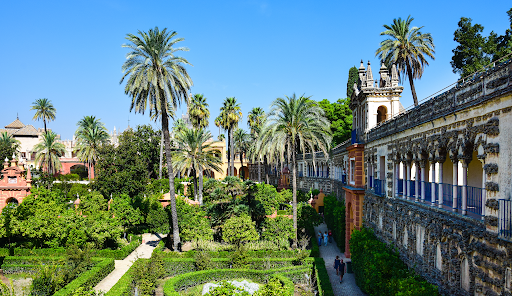
Real Alcázar of Seville
If you only have time for one major historical site, make a strong case for the Real Alcázar. Its story stretches back more than a thousand years, with Islamic, Mudéjar, Gothic, Renaissance and Baroque influences sitting side by side throughout the palace and gardens.
Give yourself enough time for the gardens rather than rushing from room to room, and book ahead if you can.
Seville Cathedral and La Giralda
The Cathedral and Giralda tell another part of Seville’s story particularly well. The cathedral stands on the site of the city’s former mosque, while La Giralda began life as its minaret before becoming the bell tower we see today.
And if you’re wondering about the climb, La Giralda famously has ramps rather than a conventional staircase for much of the ascent. The views across Seville at the top are a worthwhile reward.
Plaza de España
Plaza de España may look centuries old, but it’s actually a relative newcomer to Seville’s architectural landscape. Designed for the Ibero-American Exposition of 1929, its colourful tiled alcoves represent provinces from across Spain.
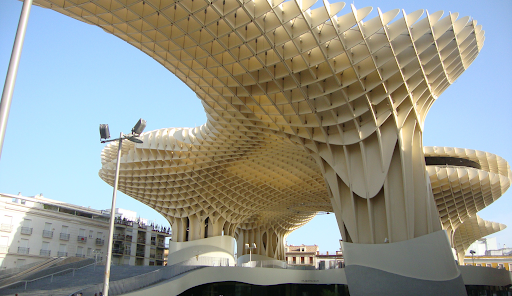
Las Setas
Then there is the Seville that isn’t historic at all. Metropol Parasol, better known locally as Las Setas, brought a dramatically contemporary landmark to the city when it opened in 2011, sitting above archaeological remains discovered during redevelopment.
Head upwards for panoramic views across the city’s rooftops. Our tip: time your visit around sunset.
The Guadalquivir River
The Guadalquivir has been central to Seville’s history as a place of trade, travel and cultural exchange, while the Torre del Oro formed part of the city’s medieval defensive system.
Today, the waterfront is a great place to simply walk, stop for a drink and continue a conversation away from the conference setting.
Don’t just see the main sights..
Once you’ve ticked off a landmark or two, one of the best ways to understand Seville is to wander around the city and see where the streets take you.
Alameda de Hércules is a lively space surrounded by bars, cafés and restaurants, while Plaza del Salvador is a popular meeting point and a good place to watch the city go by.
Then there’s Calle Feria, one of those streets where it’s worth looking at what’s around you rather than at Google Maps. Independent shops, cafés, bars and neighbourhood life make it a particularly characterful stretch to explore.
Already know Seville? Try these instead:
If the Alcázar and Cathedral are already crossed off your list, two smaller palaces offer a different experience of the city.
Palacio de las Dueñas feels more intimate than Seville’s headline monuments, with courtyards, gardens, orange trees and colourful tiled spaces.
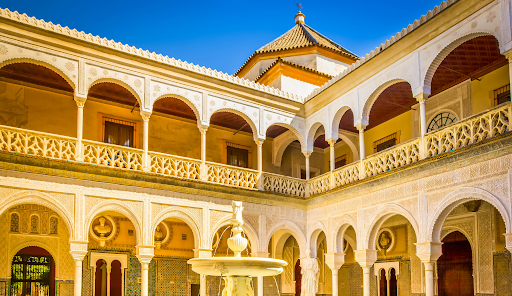
Casa de Pilatos is another favourite, bringing together Mudéjar, Gothic and Renaissance influences around beautiful courtyards and gardens.
Both are good choices when you want history without quite the same crowds.
For coffee and a catch-up
There will be plenty of networking built into ND26, but we know ELIA conversations have a habit of continuing long after a session officially finishes.
If you want somewhere for a morning coffee, a break between sightseeing stops or an informal catch-up, our local shortlist includes:
- Parcería
- Plácido y Grata
- Selva
- Late
- Purita
- Delatribu
And don’t be surprised if your coffee arrives differently from the iced coffee you’re used to at home. Order a café con hielo and you’ll typically receive an espresso alongside a glass of ice. Pour one into the other and you’re set.
Tapas: less about the menu, more about the experience
If there is one Sevillian habit worth adopting while you’re here, it’s not a particular dish. It’s the way people eat.
Tapas lends itself naturally to sharing. Order a few plates, see what arrives and, if you’re enjoying yourselves, stay a little longer. Better still, move on to another bar afterwards rather than treating dinner as a single destination.
A few places to try:
- Casa Román, a local favourite in a fantastic central location.
- El Rinconcillo, widely recognised as Seville’s oldest bar and full of history.
- Casa Morales, known for its traditional setting and authentic atmosphere.
- Bodeguita Romero, for traditional tapas and sandwiches in a lively, wood-panelled bar.
- La Sede, with only a handful of tables for a more intimate evening.
- Lama La Uva, a good choice for wine alongside local tapas.
When dinner calls for something a little more special
Perhaps you’re extending a conversation with new collaborators, or perhaps you’ve simply spent two days solving business challenges and feel you’ve earned a particularly good dinner.
Mariatrifulca pairs dinner with views across the river, while El Pintón offers contemporary Andalusian cuisine in the historic centre. Casa del Tigre combines local character with excellent food, Petra brings Mediterranean influences into an elegant setting, and Malandro combines restaurant, bar and rooftop spaces.
For group dinners and popular evening slots, booking ahead is a good idea.
See Seville from above
October is a particularly pleasant time to discover Seville’s rooftops, when evenings can be warm without the intensity of the summer heat.
Ático, EME, Pura Vida and Naked and Famous are among the options for a drink with a view.
There’s something rather satisfying about ending a day spent discussing where the language industry is heading while looking out over a city that has spent centuries adapting and reinventing itself.
What should you actually order?
You could spend a very long time eating your way through Andalusia, but a few dishes provide a good introduction.
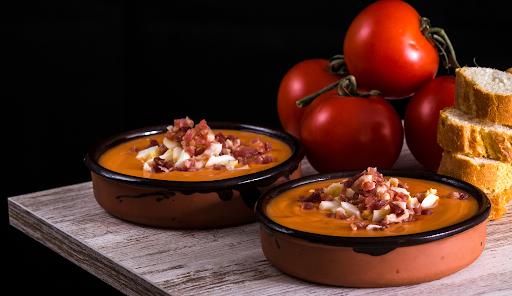
Start with jamón ibérico, Spain’s famous cured ham, or salmorejo, a thick, chilled tomato dish typically finished with hard-boiled egg and jamón. For something rooted in Seville, look for espinacas con garbanzos, spinach and chickpeas seasoned with spices.
Carrillada ibérica, slow-cooked Iberian pork cheek, is worth trying if you want something richer, while comparing croquetas from different bars is a perfectly legitimate form of research. If you spot torrijas, try those too.
And to drink? Try a chilled fino or manzanilla with tapas, vino de naranja if you’re curious about orange wine, or a refreshing tinto de verano. Beer drinkers will quickly become familiar with Cruzcampo, which was founded in Seville.
Make a little more of your trip
Networking Days is ultimately about the people you meet, the perspectives you exchange and the ideas you take home with you. Seville gives us a particularly fitting backdrop for all three.
So arrive a little earlier if you can. Stay for the weekend. Continue a conversation over tapas. Take the long route back to the hotel. Find a rooftop as the sun goes down. Or simply wander until somewhere looks inviting.
We hope this guide gives you a few ideas for making Seville part of your Networking Days experience, rather than simply the place where it happens.
We look forward to welcoming you in October.
Find out more about Networking Days 2026 and stay up to date with the latest event news on LinkedIn.